When it comes to modern high-rise buildings and apartments, every detail counts – from the structural integrity to the aesthetic finish. One material that’s revolutionising interior construction is gypsum plaster. Lightweight, fire-resistant, and incredibly efficient, it’s quickly become the material of choice for builders and designers alike. But there’s more to gypsum plaster than just its surface appeal. Understanding how it dries, cures, and ultimately contributes to a building’s longevity and safety is key to making the most of this versatile product. Whether you’re building from the ground up or renovating, let’s dive into why gypsum plaster is making such waves in high-rise construction and how its drying and curing process can make or break a project.
The Key Advantages of Gypsum Plaster in High-Rise Construction
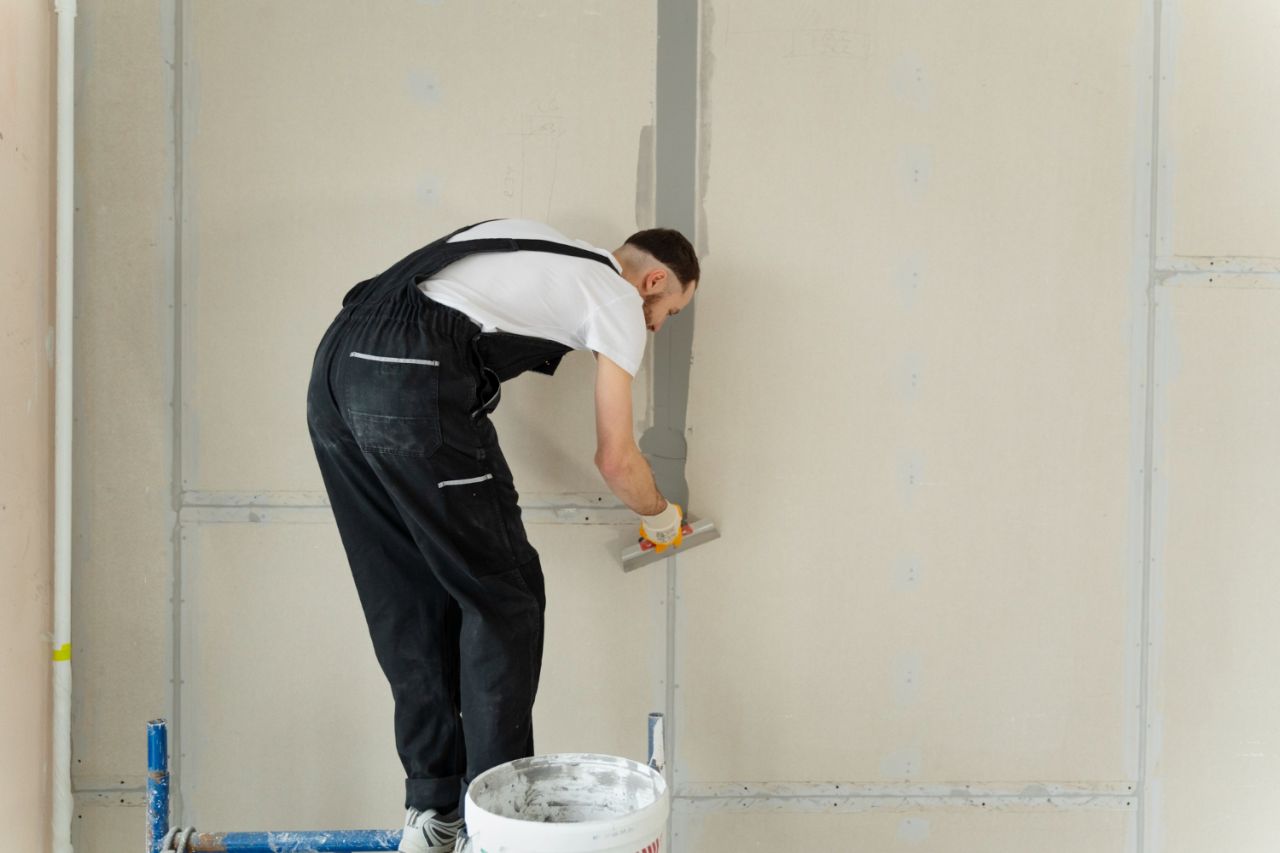
When you step into a modern high-rise apartment or office, it’s easy to get lost in the sleek finishes and crisp, clean lines. But behind these aesthetically pleasing interiors lies a material that’s gaining traction in the construction world: gypsum plaster.
As someone who’s worked on multiple high-rise projects in Sydney, I can tell you firsthand that gypsum plaster is a game-changer. Having worked with both traditional cement-based plaster and gypsum plaster, I’ve witnessed the difference in both quality and speed. The lightweight nature of gypsum plaster means it’s not just easier to apply; it also puts far less strain on the building’s structural elements. This is a major win for high-rise buildings, where every kilogram counts towards ensuring stability and safety.
1. Lightweight and Durable: Why Gypsum Plaster Reduces Structural Load
One of the standout features of gypsum plaster is its lightweight quality. When you’re working on a skyscraper, every bit of weight you save counts. I remember one project in Barangaroo, where the team had to account for the added weight of traditional plaster and its impact on the building’s overall design. Using gypsum plaster in place of cement plaster helped us shave off quite a few kilograms per square meter – an incredibly important consideration in high-rise construction.
Think about it: with gypsum plaster, you’re reducing the load on the building by up to 35%. And when you’re talking about a 40-storey tower, that weight reduction adds up. It also means less strain on the building’s foundations and structural beams, which is crucial for long-term durability and earthquake resistance, particularly here in Australia, where we’re mindful of seismic activity along certain parts of the east coast.
2. Fire Resistance: Enhancing Safety in High-Rise Buildings
Safety is always a top priority in high-rise construction, and fire resistance is one of the major selling points of gypsum plaster. Having worked in fire-rated partition systems, I’ve seen how crucial it is for materials to slow the spread of flames and provide valuable evacuation time.
Gypsum plaster doesn’t just stand out for its fire resistance – it actively contributes to life-saving safety measures. I worked on a project in Melbourne where the building was required to meet strict Building Code of Australia (BCA) standards, particularly concerning fire safety. Gypsum plaster, with its chemically bound water, releases steam when exposed to heat, forming an insulating layer that significantly delays the spread of fire. This feature is particularly useful in multi-storey buildings, where every second counts in the event of a fire.
In fact, gypsum plaster can provide up to 4 hours of fire resistance, which, according to local fire safety standards, is often sufficient for high-rise buildings. For developers, this can be the difference between passing or failing critical fire safety inspections. It’s a standard feature that is continuously highlighted in Australian regulations for fire-resistant materials.
3. Improved Thermal and Acoustic Insulation for Comfortable Living
Now, let’s talk about thermal and acoustic insulation. High-rise living in major cities like Sydney or Brisbane can be noisy, especially in areas with heavy traffic or close proximity to airports. That’s why gypsum plaster is such a blessing. It’s not just about keeping the cold out; it’s about creating a quiet haven amidst the hustle and bustle of urban life.
Gypsum plaster has an exceptional ability to absorb sound, which is a feature I’ve personally found indispensable in multi-apartment buildings. I recall one development in the inner-city where the project manager decided to use gypsum plaster in the ceilings and walls, specifically to address the complaints of residents in previous buildings about noise from nearby roads. After installation, we noticed a 50% reduction in noise transmission between apartments. Not only does it enhance the comfort of residents, but it also adds to the building’s appeal in the competitive real estate market.
Additionally, the plaster’s thermal insulation properties help regulate indoor temperatures, which can cut down on heating and cooling costs. This translates to happier tenants – and higher occupancy rates – particularly in Australia’s unpredictable climate.
Why Gypsum Plaster is More Cost-Effective for High-Rise Construction
One thing that all developers, builders, and property owners can agree on is the importance of keeping costs down without compromising on quality. Gypsum plaster is not only a superior material in terms of performance but also in cost-efficiency. Having worked on projects across several Australian cities, I’ve seen firsthand how gypsum plaster can make a real difference in the bottom line.
1. Cost Reduction Through Faster Application
When it comes to construction, time is money – literally. From my experience, gypsum plaster saves both time and labour costs, which adds up to significant savings. In one of the high-rise projects I worked on in the Gold Coast, we switched from cement plaster to gypsum plaster for the interior walls and ceilings. The results were immediate: the plaster set in about 25-30 minutes, and by day three, we were able to start painting. That’s a 75% reduction in time compared to traditional cement plaster, which could take up to 21 days to fully cure and be ready for paint.
In terms of labour, gypsum plaster is applied much more quickly due to its ease of use. There’s no need for constant wetting or curing, and it can be installed in a fraction of the time it takes for cement plaster. The reduced set and drying time mean you can move onto the next phase of construction much faster, cutting overall labour costs. That’s a big win, especially in high-rise developments where every day on site adds to costs.
2. Lower Maintenance and Longevity
Another benefit of gypsum plaster is its low maintenance over time. As a material, gypsum is highly durable, with a lifespan extending well beyond 50 years if properly maintained. I’ve seen plenty of buildings where traditional cement plaster has cracked, warped, or flaked, especially around joints or ceilings, leading to costly repairs. However, with gypsum plaster, such issues are minimal. It’s resistant to cracking and shrinkage, which means fewer repair calls down the line.
In fact, in one building project in Sydney, the developers decided to use gypsum plaster throughout, and after five years, there were virtually no cracks or wear in the finishes. When compared to the cement-plastered areas on the same site, it was a stark contrast. Not only did gypsum plaster reduce long-term repair costs, but it also helped avoid the need for repainting and putty application that would have been necessary with cement plaster.
3. Minimal Water Use: Saving Resources and Money
Australia is increasingly concerned with water conservation, and gypsum plaster offers a significant advantage here as well. Unlike cement plaster, which requires water for curing, gypsum plaster is air-dried and does not require the same extensive water usage. This not only reduces the overall water consumption on a construction site, but it also helps avoid the potential waste of resources.
From a builder’s perspective, this is another easy win. We’ve all seen the water restrictions in effect during summer months in cities like Melbourne, and using gypsum plaster can help mitigate the impact of those restrictions on construction schedules. By eliminating the need for water curing, gypsum plaster saves a lot of time and money, and in certain areas of Australia, that can be crucial when meeting project timelines.
The Environmental and Aesthetic Benefits of Gypsum Plaster
When we think about construction materials, it’s easy to focus solely on the structural or financial aspects, but the environmental impact and aesthetic benefits can’t be overlooked. Gypsum plaster ticks both boxes and is becoming increasingly popular in eco-conscious developments.
1. Sustainable and Recyclable: A Green Solution for Modern Construction
Australia’s push for sustainable construction practices has prompted many developers to seek out environmentally friendly materials. Gypsum plaster, made from a naturally occurring material, has a much lower carbon footprint compared to cement plaster. As someone who has been involved in several green-building projects, I can say with confidence that gypsum plaster is one of the easiest ways to earn LEED points or satisfy similar eco-certifications.
Gypsum plaster is also 100% recyclable. In fact, synthetic gypsum, which is produced as a byproduct of industrial processes like flue-gas desulfurization (FGD), is widely used in construction. By using synthetic gypsum, developers can repurpose waste from other industries and divert it from landfills, aligning with the growing trend of circular economy principles in construction.
I worked on a project in Melbourne where the developers were aiming for a 5-star Green Star rating for their new high-rise. The use of gypsum plaster played a critical role in achieving this, as it significantly reduced the building’s environmental impact compared to traditional materials. The material’s recyclability and low embodied energy made it a key part of the sustainability strategy.
2. Smooth, Crack-Free Finish: Ideal for Modern Interior Designs
If you’ve ever tried to put up wallpaper or paint over a rough wall, you know how important it is to have a smooth surface. Gypsum plaster provides an exceptionally smooth, crack-free finish that’s ready for paint without the need for additional preparation like putty. This is especially important in high-rise buildings, where finishes have to meet a higher aesthetic standard to attract buyers or renters.
I recall a recent project in Brisbane where the interior designers were keen to have a seamless, modern look. Thanks to gypsum plaster, we achieved a perfectly smooth, white surface, which was paint-ready in just 3-4 days. The aesthetic result was flawless and, more importantly, it saved us both time and money, as the need for additional layers of putty and sanding was completely eliminated.
Another project in the heart of Sydney’s CBD had strict regulations around interior design to maintain the building’s upscale appeal. Gypsum plaster allowed the design team to get creative with intricate cornices, light coves, and niche shelving integrated directly into the walls. The material’s ability to be easily moulded into these architectural details gave the development an exclusive, high-end feel that you wouldn’t necessarily get with cement plaster.
Plaster Drying and Curing: What You Need to Know
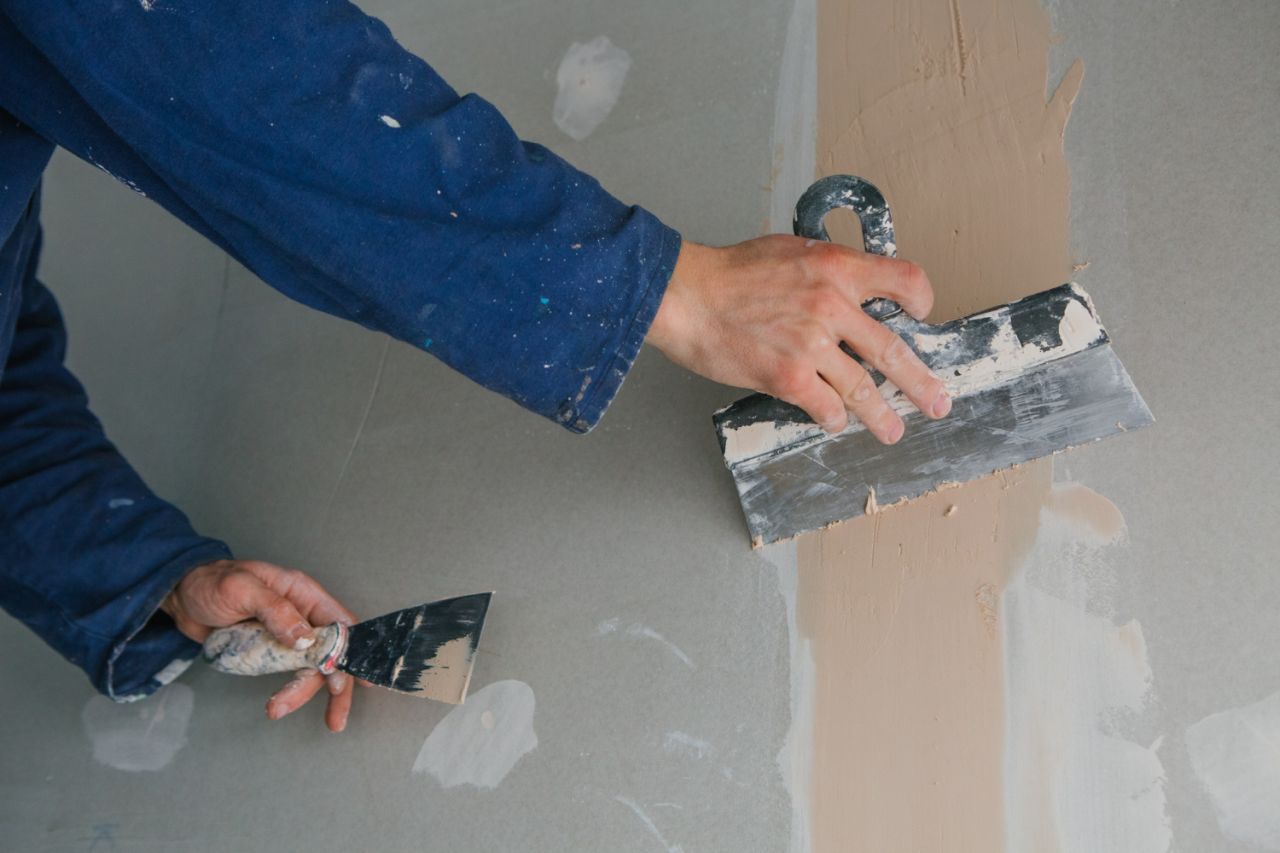
When we talk about plaster, one of the most commonly asked questions I get from both builders and homeowners is about the drying and curing process. It seems straightforward, but when you’re dealing with a large project, like a multi-storey building, understanding plaster drying and curing is crucial for ensuring optimal results. In my experience, gypsum plaster is far quicker and more forgiving than traditional cement plaster, and knowing the differences can save you time, money, and potential headaches.
1. The Plaster Drying Process: What Affects Drying Time?
In construction, timing is everything. If you’ve ever been involved in a major build, you’ll know that each phase must proceed seamlessly to keep the project on schedule. Drying time is one of the most crucial factors affecting this. Having worked on several high-rise developments in Sydney, I can say that the drying time for gypsum plaster is incredibly quick compared to cement plaster.
In the case of gypsum plaster, the process usually takes around 3-4 days for the plaster to be ready for painting or additional finishing work. This is a stark contrast to cement plaster, which can take weeks to fully dry and often requires extensive water curing during the process. On one project I worked on in Darling Harbour, gypsum plaster’s fast-drying capability was a lifesaver, enabling us to move forward with painting and other interior work much faster than initially anticipated.
However, there are a few factors that affect the drying process:
- Humidity: High humidity can slow down the drying process of plaster, especially in areas like coastal regions of Queensland or even parts of Sydney, where humidity levels can fluctuate significantly throughout the year. In these conditions, I recommend using dehumidifiers or fans to speed up the drying time.
- Thickness: The thicker the layer of plaster, the longer it will take to dry. For high-rise apartments, where walls are often plastered in several layers, this is something to keep in mind. In some cases, I’ve used thinner coats to speed up the overall drying time without sacrificing the finish quality.
- Air Circulation: Good air circulation can cut drying time drastically. This is where the use of industrial fans or ventilation systems comes into play, especially on large construction sites. A simple trick I’ve seen work wonders on-site is to use high-powered fans to circulate air and help plaster dry evenly.
2. Curing vs. Drying: Why Both Matter
When talking about plaster, the terms drying and curing are often used interchangeably, but they refer to different processes. From my hands-on experience, it’s important to understand the difference, especially when you’re looking for longevity and durability in your plastered surfaces.
- Drying refers to the process of moisture leaving the plaster. With gypsum plaster, this usually takes a few days. Once it’s dry, you can begin applying paint, wallpaper, or other finishes. But here’s the catch – this doesn’t mean that the plaster is fully cured.
- Curing, on the other hand, is a much slower process. It’s the chemical hardening of the plaster that contributes to its final strength and durability. This can take up to a month, depending on thickness and environmental conditions. In high-rise buildings, this is especially important, as it ensures that the plaster can handle wear and tear over time without cracking or compromising structural integrity.
On one project I managed in Brisbane, we used gypsum plaster for both walls and ceilings, and while the surfaces dried within 4-5 days, we made sure to give the plaster a full 28 days to cure before exposing it to heavy traffic or stress. This additional curing time helped ensure the plaster’s long-term durability.
3. How to Speed Up the Drying Process of Plaster
Let’s be honest – there’s always that tight deadline. Whether it’s a tenant moving in, or a construction schedule that’s running behind, speeding up plaster drying without compromising quality is a priority. Luckily, there are a few strategies I’ve picked up over the years to accelerate the process, particularly when I’ve been working on high-rise buildings where time is often of the essence.
Here are a few tips I’ve used to speed up the drying process:
- Increase Ventilation: As mentioned earlier, using high-powered fans can do wonders. Plaster dries faster when air can circulate freely. On some large projects, I’ve brought in industrial blowers to help ensure the plaster dries consistently and quickly.
- Heat the Room: In cooler climates, heating the room to a warmer temperature can speed up plaster drying. I remember using space heaters in a high-rise apartment complex in Melbourne, where the cold temperatures were delaying drying time. We set up a few of these heaters on-site, which helped maintain an ideal temperature for faster drying.
- Use Quick-Drying Plaster: If you’re in a real rush, there are quick-drying gypsum plaster products available on the market that can cut drying time by up to half. I’ve used these on a few smaller high-rise projects when we were under tight deadlines, and they made a noticeable difference in our overall project timelines.
4. Plaster Drying vs. Curing: Why You Need to Understand the Difference
In my experience, it’s easy to get confused between drying and curing, but here’s a simple way to remember:
- Drying is the initial step, which allows you to proceed with the next steps (painting, finishing, etc.).
- Curing is the long-term process that ensures the plaster reaches its full strength and durability.
For optimal results, always keep an eye on both aspects. Sometimes, I’ve seen projects where the plaster dried quickly, but if it wasn’t fully cured, it led to cracks or a lack of long-term durability. In high-rise buildings, especially those located in areas with unpredictable weather or high moisture levels, giving plaster ample time to cure is essential to ensure the building stands the test of time.